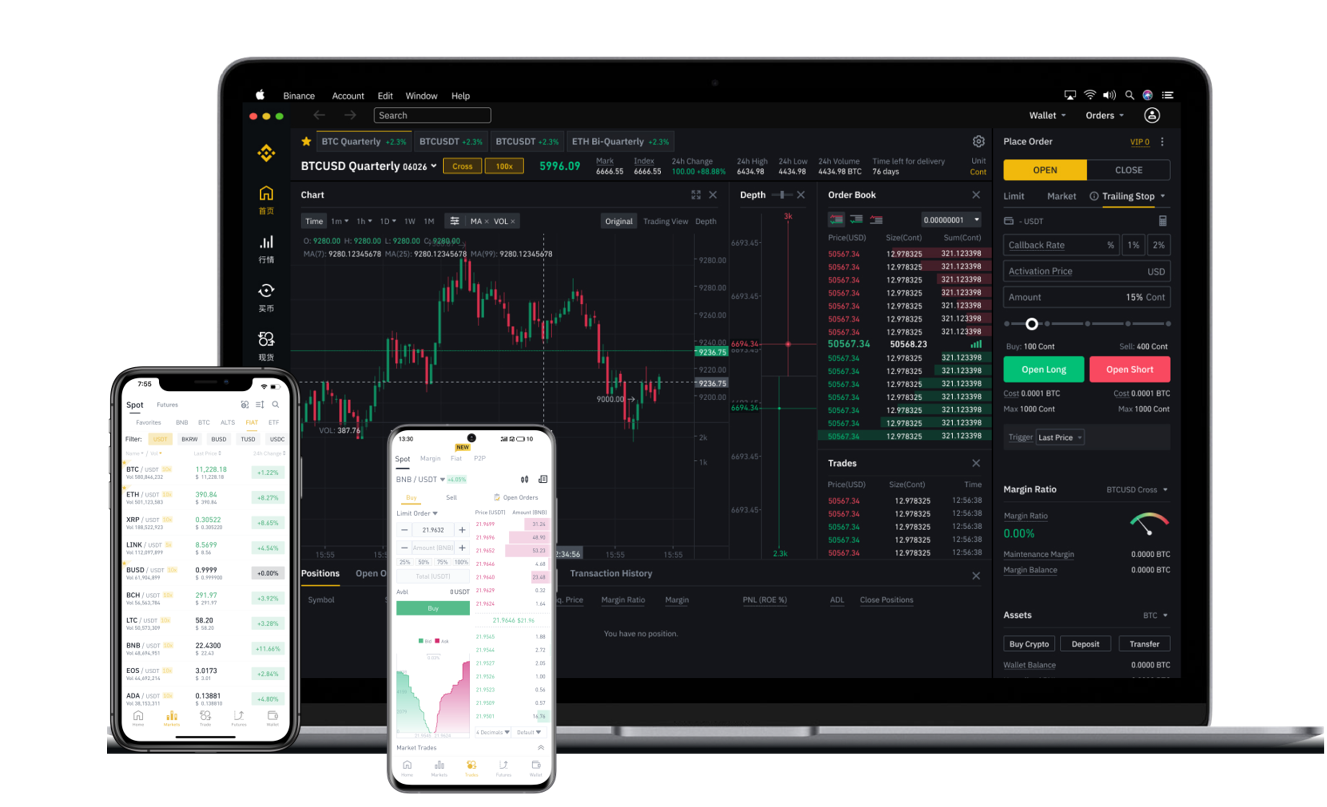
How to Withdraw Funds from Binance and OKX Exchanges: Step-by-Step Guide
Cryptocurrency exchanges like Binance and OKX are among the most popular platforms for trading digital assets. However, many users still find the withdrawal process confusing. Understanding how to transfer your funds securely from these exchanges is essential for both beginners and experienced traders. Below is a clear, practical guide on how to withdraw funds from Binance and OKX, along with key precautions to ensure your assets remain safe.
1. Withdrawing from Binance
To withdraw from Binance, first log into your account and navigate to the "Wallet" section. Click on "Spot" and then select "Withdraw." Choose the cryptocurrency you wish to withdraw—such as Bitcoin, Ethereum, or USDT. Enter the recipient wallet address carefully. Since crypto transactions are irreversible, even a single character error can result in permanent loss of funds. Next, select the network (e.g., ERC20, BEP20, or TRC20). Using the wrong network can cause delays or loss of funds. Enter the withdrawal amount, review the fees, and confirm. You will need to complete two-factor authentication (2FA) and possibly email verification. After submission, the withdrawal will appear in the "Withdrawal History" tab, where you can check its status.
2. Withdrawing from OKX
OKX follows a similar process but with minor interface differences. After logging in, go to "Assets" and select "Withdraw." Choose the cryptocurrency, then paste the destination wallet address. OKX will also prompt you to select the correct network. For example, if you are sending USDT to an exchange that supports TRC20, ensure both sides match. Enter the amount, review the withdrawal fee (which varies per coin and network), and submit. OKX requires either email or SMS verification, along with 2FA. Some withdrawals may also require a fund password if you have set one up. The platform typically processes withdrawals within a few minutes to an hour, depending on network congestion.
3. Key Differences Between Binance and OKX Withdrawals
Both exchanges support a wide range of coins and networks, but there are subtle differences. Binance often offers more network options per coin, such as BSC, Polygon, and Avalanche, which can reduce fees and speed up transactions. OKX tends to have slightly lower withdrawal fees for some stablecoins, especially on TRC20. However, OKX may require additional identity verification steps for new accounts before enabling withdrawals. Always check the minimum withdrawal amount on each platform—Binance sometimes has lower minimums for certain tokens.
4. Security Tips for Withdrawals
Always double-check the wallet address before confirming. Use the "whitelist address" feature on both exchanges if you withdraw to the same address frequently. This adds an extra layer of security, as new addresses require additional approval. Never share your 2FA codes or withdrawal passwords with anyone. Beware of phishing websites that impersonate Binance or OKX—always verify the official domain in your browser. Additionally, consider withdrawing a small test amount first if you are using a new address or network for the first time.
5. Common Issues and Solutions
If your withdrawal is stuck or pending for a long time, first check the network status. Congested networks like Ethereum can delay transactions. You can also search your transaction ID (TXID) on a blockchain explorer to see if it has been broadcast. If the withdrawal is stuck on the exchange side, contact customer support via live chat. Both Binance and OKX have 24/7 support, but response times may vary. Another common issue is entering an incorrect memo or tag for tokens like XRP or EOS. Always include the correct memo if required, or your funds may not arrive.
By following these steps and remaining cautious, you can withdraw your cryptocurrencies from Binance and OKX with confidence. While the interfaces and coin options may evolve, the core principles of security and accuracy remain the same. Always stay updated on the exchange's official announcements regarding withdrawal policies and network upgrades.