Binance Official China Trading Guide: How to Buy & Sell Crypto in 2025
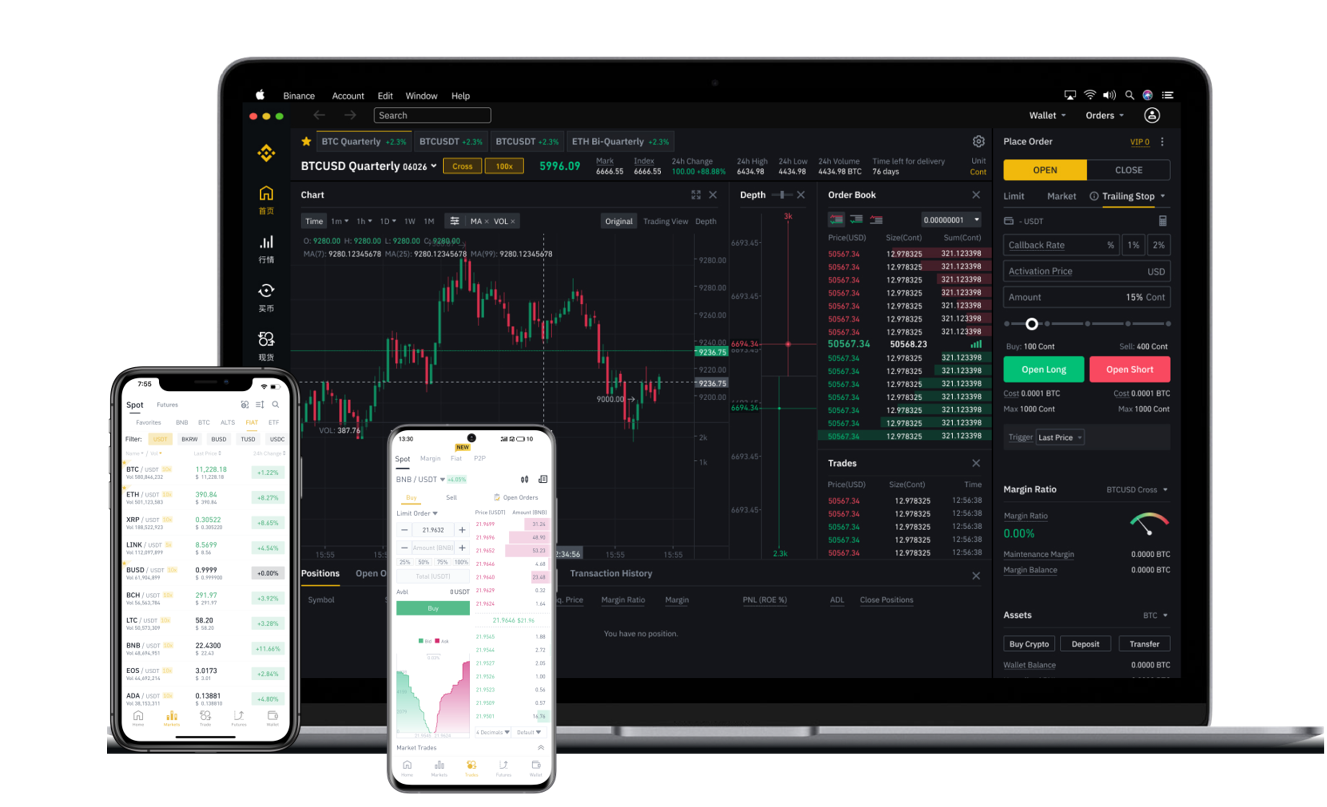
As the global cryptocurrency market continues to evolve, Binance remains one of the most recognized and widely used trading platforms worldwide. However, for users in China, accessing Binance’s official website and executing buy or sell orders has become increasingly complex due to shifting regulatory landscapes. This article provides a practical overview of what "Binance official China buying and selling" currently means, how users navigate access, and what steps are involved in trading on the platform from within the region.
First, it is important to understand that Binance, as a global entity, does not operate a localized exchange specifically for mainland China. Following regulatory restrictions imposed by Chinese authorities in 2021, Binance’s official website (binance.com) and its associated services are not directly accessible through standard internet connections in China. Users who wish to engage in cryptocurrency trading via Binance must typically employ alternative access methods, such as using reputable virtual private network (VPN) services, to reach the global platform. This has become a common practice among experienced traders, though users should remain aware of the legal gray areas and potential risks involved.
Once access is established, the process of buying and selling on Binance remains similar to its global version. New users must complete a registration process, which includes email verification and identity verification (KYC). While Binance previously allowed trading without full KYC for limited functions, current standards require verified accounts for most deposit, trading, and withdrawal actions. After verification, users can deposit funds into their Binance accounts. For Chinese users, the most common method is to purchase cryptocurrency via peer-to-peer (P2P) trading, where Binance acts as an escrow service connecting buyers and sellers. In P2P trading, users can pay using Chinese yuan through platforms like Alipay, WeChat Pay, or bank transfers, directly to the seller. Binance then releases the crypto to the buyer once payment is confirmed.
The selling process works similarly in reverse. A user with cryptocurrency can list a sell order on the P2P market, specifying the price and accepted payment methods. Once a buyer sends payment to the seller’s designated Chinese bank account or mobile payment app, the seller confirms receipt, and Binance releases the crypto from escrow. This system has become the backbone of Binance’s China-related trading activities, as it bypasses the need for direct fiat-to-crypto exchange within the platform.
It is also worth noting that Binance has implemented certain restrictions for users identified as being from mainland China. For example, the platform may limit access to certain derivatives products or futures trading for these users. Spot trading, P2P trading, and simple earn products, however, remain accessible. Users should also be aware of the risks: price volatility, potential account freezes due to payment disputes in P2P trades, and the technical risks associated with using VPNs. Furthermore, Chinese authorities have repeatedly warned citizens against participating in overseas crypto exchanges, and enforcement actions have occurred in the past.
In summary, trading on Binance from China is still possible, but it requires technical workarounds, compliance with Binance’s verification processes, and a clear understanding of the risks. For those who proceed, the P2P market remains the most practical method for buying and selling crypto with Chinese yuan. As the regulatory environment continues to shift, users are advised to stay updated on both Binance’s official announcements and local Chinese policies to ensure they are trading within acceptable boundaries. While Binance is not officially represented in China, its global platform continues to serve a significant number of users from the region who seek access to digital asset markets.