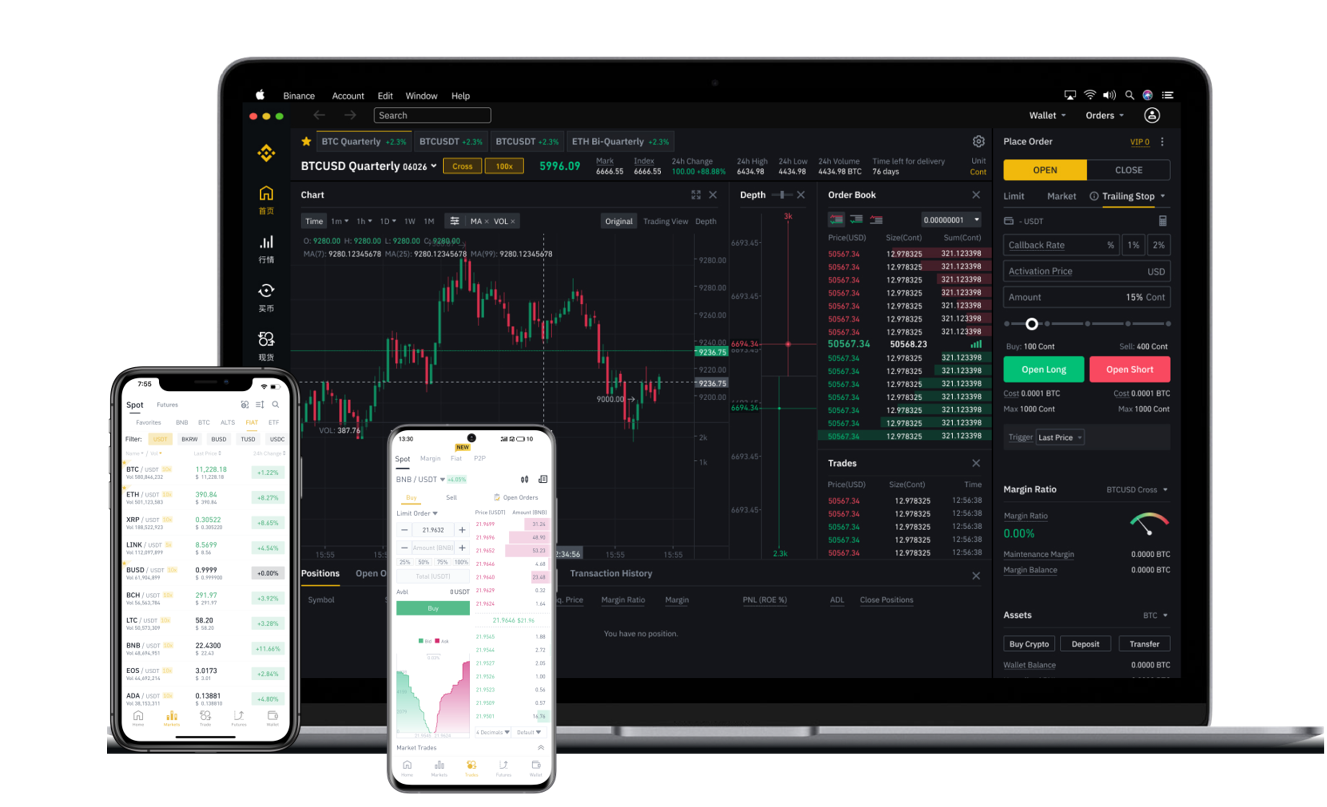
Binance Withdrawal Guide: How to Cash Out Crypto to Bank Account (2025 Steps)

For cryptocurrency traders on Binance, understanding how to withdraw funds is a critical skill. Whether you are converting Bitcoin to fiat currency or moving altcoins to an external wallet, the process requires careful attention to network selection, fees, and security protocols. This guide breaks down the complete Binance cash-out process, covering both fiat withdrawal via P2P trading and crypto withdrawal to external addresses.
Step 1: Log in and Access the Withdrawal Menu
After logging into your Binance account, navigate to the "Wallet" icon in the top-right corner. Select "Fiat and Spot" from the dropdown menu. On the overview page, you will see a "Withdraw" button. Clicking it opens the withdrawal interface where you can choose between "Crypto Withdrawal" and "Fiat Withdrawal." The option you select depends on your end goal—holding the asset in a private wallet or converting to cash in your bank account.
Step 2: Withdrawing Crypto to an External Wallet
If you need to send coins like BTC, ETH, or USDT to a personal wallet or another exchange, choose "Crypto Withdrawal." You will be prompted to enter the recipient address, the network (e.g., BEP-20, ERC-20, or TRC-20), and the amount. Critical warning: always verify that the network you select matches the network supported by the receiving wallet. Sending BEP-20 tokens to an ERC-20 address will result in permanent loss of funds. Binance will display the network fee and the minimum withdrawal amount before you confirm. After entering your funds password and completing 2FA verification, the transaction is submitted. Processing time typically ranges from a few minutes to over an hour depending on network congestion.
Step 3: Cashing Out to a Bank Account via P2P Trading
For users who want to sell crypto for local fiat currency (USD, EUR, GBP, etc.), the Peer-to-Peer (P2P) platform is the most efficient method. Go to "Trade" > "P2P Trading." Filter by the fiat currency you want to receive and select a reputable advertiser with high completion rates. Place an order for the amount of crypto you want to sell. You must then transfer your crypto to the advertiser’s Binance escrow account. Once the advertiser confirms receipt of fiat payment (bank transfer, PayPal, etc.) outside Binance, your crypto is released from escrow. The fiat money lands directly in your personal bank account. Note that Binance does not hold your fiat—this is a direct transfer between you and the buyer.
Step 4: Withdrawal Fees and Limits
Binance applies different fee structures for crypto and fiat withdrawals. Crypto withdrawal fees vary by coin and network; for example, withdrawing Bitcoin via BTC network costs a fixed amount per transaction, while BEP-20 fees are much lower. For P2P withdrawals, there is no direct fee from Binance, but the price spread set by the advertiser effectively acts as a cost. Unverified accounts have lower daily withdrawal limits. To increase limits, complete Identity Verification (KYC) level 2 or higher. After verification, standard daily crypto withdrawal limits can exceed 100 BTC for high-tier users.
Step 5: Security Checks and Common Errors
Always whitelist withdrawal addresses if Binance offers that feature. This prevents any unauthorized address from being used. Double-check the withdrawal network—this is the number one cause of lost funds. If you see a "withdrawal suspended" message, it may indicate a temporary security hold, network maintenance, or a jurisdictional restriction. In such cases, contact Binance support or try later. Never share your 2FA code or funds password with anyone.
Final Tips for a Smooth Binance Withdrawal
- Use the BEP-20 network for low fees on Binance native tokens.
- For large amounts, test with a small transaction first.
- Be aware of peak network hours to avoid delays.
- Always verify that your receiving wallet supports the token type (e.g., USDT-V2 vs USDT-OMNI).
- Keep your withdrawal records for tax reporting.
Mastering the Binance withdrawal process ensures you can access your funds quickly and safely. By following the steps above—selecting the correct method, verifying network details, and adhering to security practices—you can convert your crypto holdings into spendable cash or store them in your own custody without unnecessary hassle.