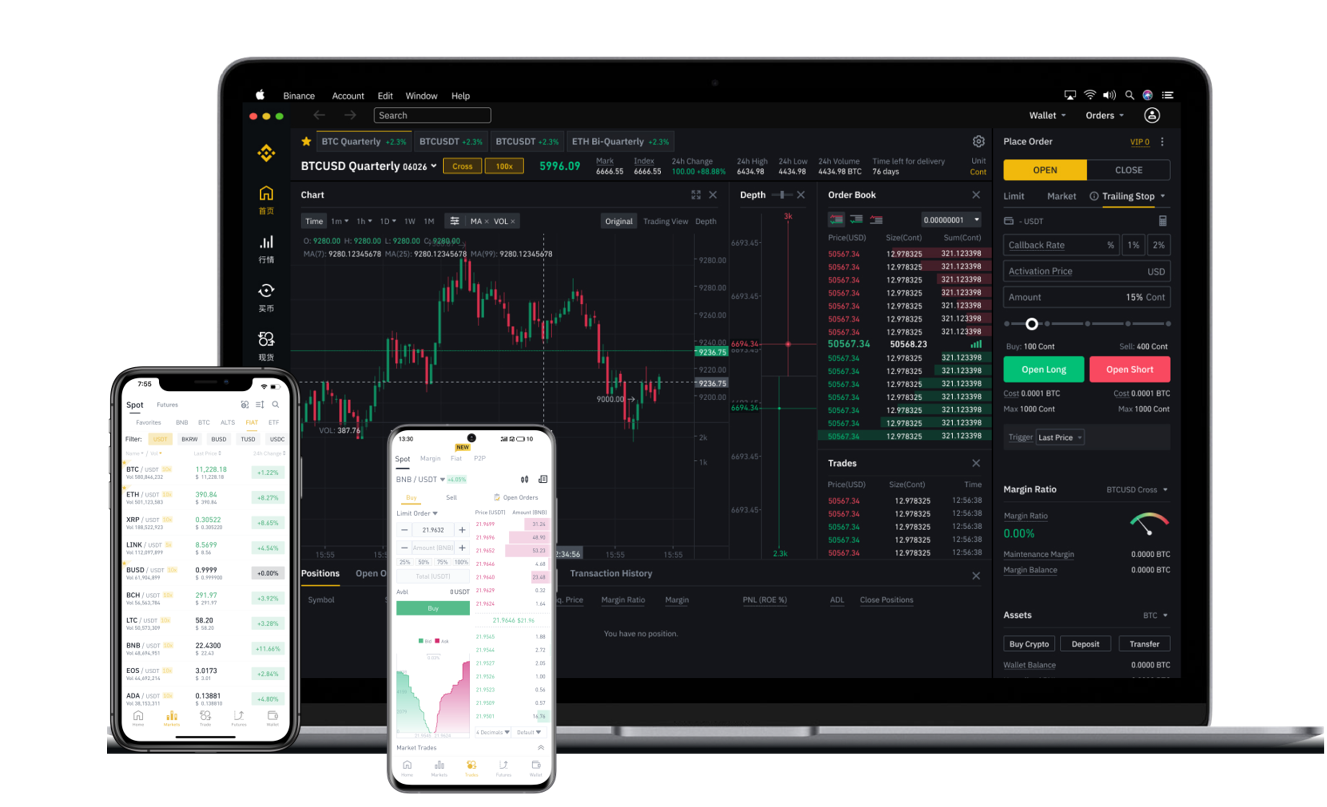
How to Operate a Centralized Exchange on Binance Smart Chain: A Step-by-Step Guide
Binance Smart Chain (BSC), now officially known as BNB Chain, has become one of the most popular blockchain networks for decentralized finance (DeFi). However, many users still interact with centralized exchanges (CEXs) like Binance.com to access BSC-based assets. Understanding how to operate a centralized exchange on Binance Smart Chain involves a clear process of account setup, asset management, and network switching.
First, you need to create an account on a centralized exchange that supports Binance Smart Chain. Binance itself is the most obvious choice. After registration and completing identity verification (KYC), you can proceed to deposit funds. To operate effectively, you should deposit either BNB or a stablecoin like USDT. BNB is the native gas token for Binance Smart Chain, meaning you will need it to pay transaction fees for any BSC-based activity.
Once your funds are in your centralized exchange wallet, the next step is to select the BSC network for withdrawal. When you click the "Withdraw" button, the exchange will ask you to choose a network. You must select "BSC" or "BNB Smart Chain" (BEP-20). This is a critical step because sending assets on the wrong network can result in permanent loss. Always double-check that the receiving wallet address is also on the same BSC chain.
Then, you need a compatible non-custodial wallet to receive the assets. Popular options include MetaMask, Trust Wallet, or SafePal. After installing the wallet, you must manually add the Binance Smart Chain network configuration. Most wallets allow you to add it automatically through "Chainlist.org," or you can enter the details manually: the RPC URL (such as https://bsc-dataseed.binance.org), Chain ID 56, and the native currency BNB. Once the network is added, copy your wallet address and paste it into the withdrawal page of the exchange.
Operating a centralized exchange on Bing Smart Chain also involves security measures. You should enable two-factor authentication (2FA) on the exchange and never share your private keys or recovery phrases. When trading on the exchange, you can simply buy BNB or other BSC tokens directly without switching networks. However, if you intend to interact with BSC-based decentralized applications (dApps) like PancakeSwap, you must move your assets from the CEX to your self-custody wallet.
Finally, to trade or transfer assets back to the centralized exchange, you reverse the process. On your non-custodial wallet, select the BSC network, enter the centralized exchange's deposit address, and confirm the transaction. Ensure you have enough BNB for gas fees. The exchange will credit your account after a few confirmations. By mastering these steps, you can effectively operate a centralized exchange to bridge into the Binance Smart Chain ecosystem.