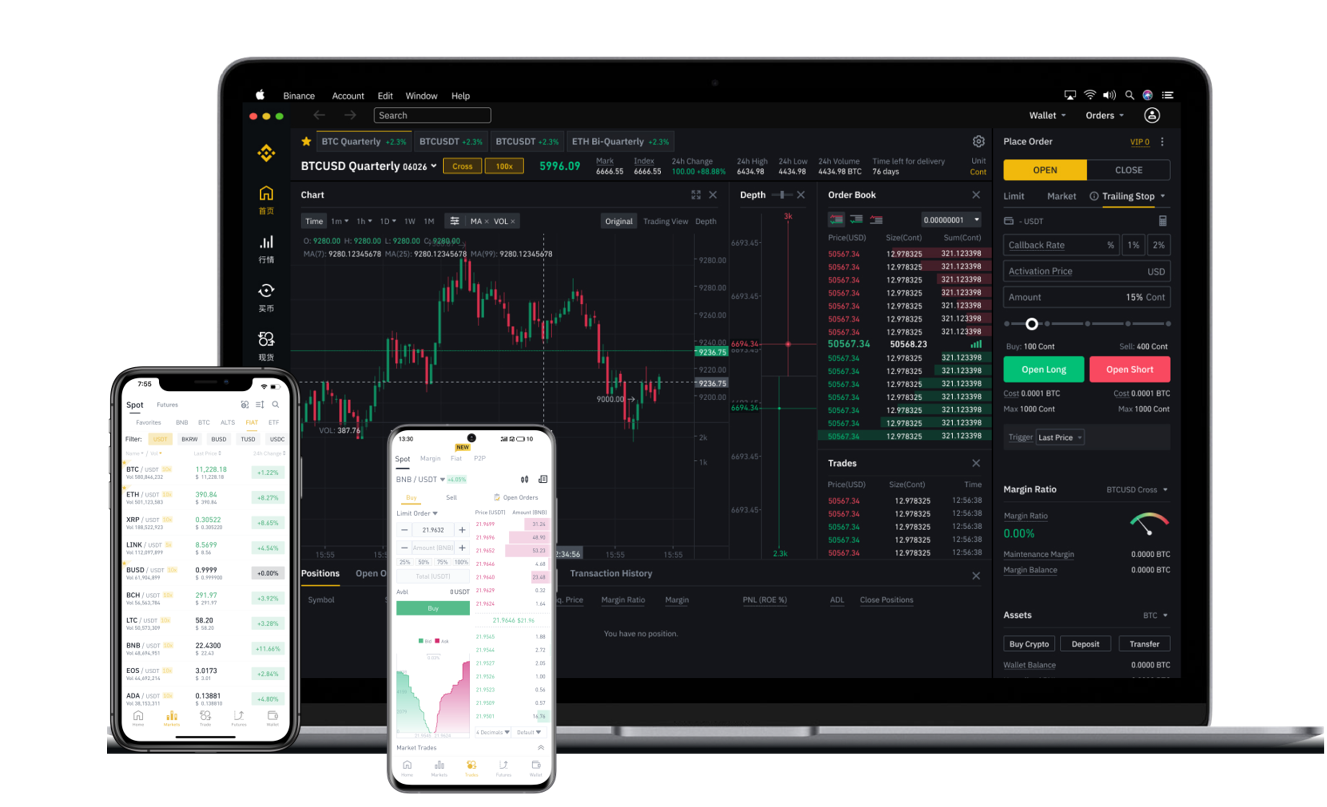
Step-by-Step Guide to List Your Token on Binance DEX: Binance Chain & PancakeSwap

Listing a token on a decentralized exchange (DEX) like Binance DEX (based on Binance Chain) or the more popular Binance Smart Chain DEX (PancakeSwap) is a multi-step process that requires technical precision and careful planning. Unlike centralized exchange listings, DEX listings are permissionless for the most part, but they still demand a structured execution. Below is a practical breakdown of how to operate a token listing on Binance-related DEX platforms.
1. Distinguish Between Binance DEX and PancakeSwap Binance originally launched its own DEX on the Binance Chain. However, for most projects and traders, PancakeSwap on Binance Smart Chain (BSC) is now the standard destination. Ensure you are targeting the correct platform. Binance DEX requires BEP-2 tokens, while PancakeSwap uses BEP-20 tokens. For higher liquidity and user adoption, PancakeSwap is recommended.
2. Prepare Your Token on BSC If you haven't done so, deploy a BEP-20 token contract. This requires solidity smart contract knowledge. Use tools like Remix IDE or TrustWallet's token generator. Set key parameters: token name, symbol, decimal (usually 18), and total supply. Ensure your contract has sufficient liquidity lock and renounced ownership to reassure users. Verify the contract on BscScan for transparency.
3. Add Liquidity to PancakeSwap Go to PancakeSwap's exchange interface (exchange.pancakeswap.finance). Connect your wallet (MetaMask or TrustWallet with BSC network). Navigate to the “Liquidity” section. Click “Add Liquidity.” Select your token and BNB (or another base pair like USDT). Enter the amount you want to provide. A common practice is to start with a minimum of 5–10 BNB worth of liquidity. This creates the initial trading pair.
4. Create the Trading Pair PancakeSwap automatically creates a trading pair for your token once you provide liquidity. The system will prompt you to approve the token contract. Confirm the transaction in your wallet. Wait for the transaction to confirm on the BSC network (usually under 30 seconds). After approval, confirm the liquidity add transaction. Your token will now have a live trading pair on PancakeSwap.
5. Lock Your Liquidity Tokens (Crucial Step) After adding liquidity, PancakeSwap returns LP tokens representing your liquidity share. These tokens must be locked to prevent “rug pulls.” Use a locker like Mudra, Unicrypt, or PinkLock. Enter the LP token contract address and set a lock duration (e.g., 1 year). This is mandatory for user trust and to avoid being flagged as a scam. Many community members will refuse to buy if liquidity is not locked.
6. Register the Token on Popular Trackers Once the pair is live, the token will not automatically appear on platforms like CoinMarketCap, CoinGecko, or DexScreener. You must manually submit your token address to these trackers. CoinGecko requires a community application. DexScreener scans the BSC network automatically but you can also force a listing by visiting their submit page. Also, create a basic token page on BscScan by verifying your token contract.
7. Adjust Trading Tax (Optional but Common) Many new tokens include a tax (2%–10%) on each transaction to fund marketing, buyback, or liquidity. To do this on PancakeSwap, you must hardcode the tax logic into your smart contract BEFORE deployment. PancakeSwap itself does not add tax. If you already deployed without a tax feature, you would need to redeploy the token contract. After redeployment, repeat the liquidity steps.
8. Test and Verify Before announcing, perform test swaps on PancakeSwap. Try buying and selling a small amount of your token. Ensure slippage tolerances work (for high-tax tokens, set slippage to 2–5%). Check that your token logo appears correctly on PancakeSwap. Logos are set by uploading the image to a decentralized service like IPFS and updating the token address on BscScan.
9. Avoid Common Pitfalls Do not list without proper marketing and community readiness. A listing on a DEX is not an instant success. Ensure your token contract is audited or at least widely reviewed. Avoid deploying with a mint function unless you intend to use it responsibly – otherwise, the project will be branded an infinite mint scam. Also, check that your token does not have a blacklist function that could be abused.
In summary, listing on a Binance-affiliated DEX involves: deploying a verified BEP-20 token, adding liquidity to PancakeSwap, locking LP tokens, registering on trackers, and thorough testing. Execution speed matters, but security and transparency will define your token’s long-term viability on the decentralized exchange.